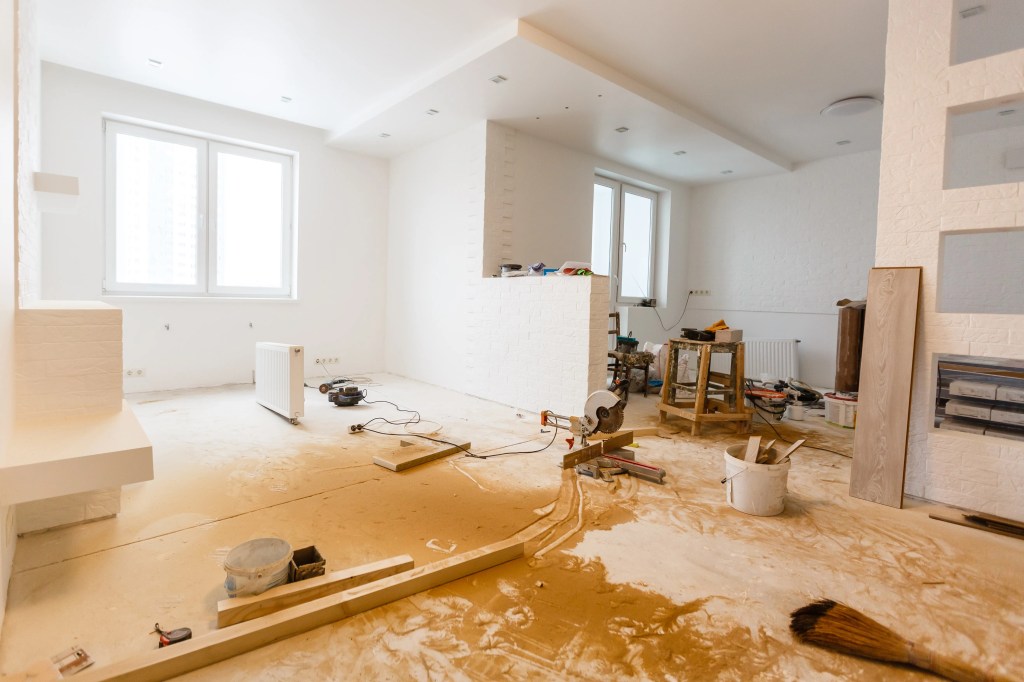
Tuckpointing near me

Owning a property is often one of the biggest investments people make, so maintaining and increasing its value is key. If your property has a brick façade, one highly effective way to enhance its appearance and longevity is through a process called tuckpointing. This masonry technique is a fantastic way to ensure your bricks stay in top condition and add long-lasting value to your property. Let’s dive into why tuckpointing near me is worth the investment and how it can benefit your property.

What Is Tuckpointing?

Tuckpointing is the process of repairing and enhancing the joints between bricks. Over time, mortar can deteriorate due to weather, erosion, and natural aging, causing it to crack and break away from the brick surface. Tuckpointing replaces this old, damaged mortar with fresh, new mortar that is skillfully applied to match the color of the bricks. The technique leaves a clean, sharp line between the bricks, creating a visually appealing and structurally sound façade.

1. Enhances Curb Appeal

A well-tuckpointed wall or façade significantly boosts the aesthetic appeal of a property. Over time, weather and pollution can cause bricks to lose their luster, and deteriorated mortar can make the structure look old and neglected. Tuckpointing can give your brickwork a refreshed appearance, making it look newer and more vibrant. This immediate boost in curb appeal can attract buyers and tenants alike, increasing the perceived value of the property.

2. Prevents Water Damage

Mortar deterioration creates small gaps between bricks, which allows water to seep in and potentially cause severe internal damage. When moisture enters these spaces, it can lead to mold growth, wood rot, and even structural issues. By replacing damaged mortar and creating a tighter seal, tuckpointing keeps moisture out, protecting the building’s interior and foundation from damage. This protection can save thousands in costly repairs and keep the property’s value high.

3. Increases Structural Stability

While tuckpointing improves appearance, it also serves a critical role in maintaining the structural integrity of the building. Mortar acts as the “glue” that holds bricks together, and when it weakens, the structure is left vulnerable. Replacing damaged mortar ensures the building stays solid and secure, which can improve safety and extend the property’s lifespan. This added stability translates directly into long-term value, as buyers and appraisers recognize the benefit of a stable, well-maintained structure.

4. Boosts Energy Efficiency

Tuckpointing can also positively impact a building’s energy efficiency. When mortar deteriorates, it creates small gaps through which air can leak, making it harder to maintain interior temperatures. By filling in these gaps with new mortar, tuckpointing reduces drafts and air leaks, leading to better insulation and potentially lower energy costs. Increased energy efficiency is an attractive feature for buyers and can boost the overall value of your property.

5. Increases Property Value and Marketability

A property with well-maintained brickwork is often more appealing to buyers, appraisers, and real estate agents. With the structural and visual improvements tuckpointing provides, your property will stand out on the market and command a higher price. Additionally, buyers may see tuckpointing as a sign that the property has been well cared for, making it a more attractive option than similar properties that lack this type of upkeep.

When to Consider Tuckpointing

Tuckpointing isn’t always necessary, but if you notice any of the following signs, it may be time to consider it:

  1. Crumbling or missing mortar between bricks
  2. Visible gaps or cracks in the mortar
  3. Water infiltration or visible damp spots on interior walls
  4. Drafts or increased energy bills without a clear cause
  5. Aged, weathered appearance of the brick façade

The Long-Term Value of Tuckpointing

Investing in tuckpointing may seem like an expense, but it’s truly an investment in your property’s long-term value. By enhancing curb appeal, preventing water damage, increasing structural stability, and improving energy efficiency, tuckpointing can add significant value to your property. It not only keeps your property safe and beautiful but also increases its marketability, setting it apart from other properties and securing a higher resale value.

If you’re looking for a way to boost your property’s worth and protect your investment, tuckpointing is a proven and effective choice. Regular maintenance, including tuckpointing, will help you preserve your property’s charm, functionality, and market value for years to come.

Masonry contractors near me in Highland Park

Masonry is one of the most enduring construction practices, valued for its strength, visual appeal, and versatility. From the monumental stone buildings of ancient times to the sleek brick facades of modern architecture, masonry techniques have continually evolved to meet the changing demands of construction and design. Whether you’re a homeowner considering a renovation or a developer planning a new project, understanding the different masonry methods is crucial. In this post, we’ll examine various masonry techniques, their specific applications, and the significance of working with skilled masonry contractors near me in Highland Park to ensure superior results.

1. Brick Masonry

Brick masonry is arguably the most common type of masonry used in both residential and commercial structures. This technique involves laying bricks with mortar to build walls, columns, and other structural components.

  1. Advantages:
  2. Durability: Bricks are highly durable and can endure harsh weather conditions.
  3. Aesthetic Variety: Available in a wide range of colors, sizes, and textures, bricks offer extensive design flexibility.
  4. Fire Resistance: Brick masonry provides excellent fireproofing, enhancing the building’s safety.
  5. Applications:
  6. Residential homes
  7. Commercial buildings
  8. Decorative facades

Masonry contractors who specialize in brickwork can assist in selecting the appropriate bricks and mortar to achieve both functional and aesthetic goals for your project.

2. Stone Masonry

Stone masonry involves the use of natural stones such as granite, limestone, sandstone, and marble. This technique is favored for its natural beauty and exceptional strength.

  1. Advantages:
  2. Natural Beauty: Each stone has unique patterns and colors, adding character to the structure.
  3. Strength: Stone masonry is incredibly strong and offers long-term durability.
  4. Low Maintenance: Once properly installed, stone structures require minimal upkeep.
  5. Applications:
  6. Exterior walls
  7. Landscaping features like retaining walls and garden paths
  8. Decorative elements such as fireplaces and columns

Masonry contractors with expertise in stonework ensure precise cutting and fitting of stones, resulting in seamless and visually stunning constructions.

3. Concrete Masonry Units (CMU)

Concrete Masonry Units, commonly known as concrete blocks, are large rectangular blocks made from concrete and aggregates. They are a staple in modern construction due to their efficiency and versatility.

  1. Advantages:
  2. Cost-Effective: CMUs are generally more affordable compared to brick or stone alternatives.
  3. Quick Construction: The larger size of concrete blocks allows for faster building processes.
  4. Insulation Properties: Concrete blocks offer good thermal and acoustic insulation.
  5. Applications:
  6. Foundation walls
  7. Basement construction
  8. Commercial buildings

Masonry contractors use CMUs for both structural and non-structural applications, optimizing cost and time without compromising quality.

4. Refractory Masonry

Refractory masonry involves using heat-resistant materials to build structures that can withstand high temperatures. This technique is essential in industries like steel, glass, and ceramics.

  1. Advantages:
  2. Heat Resistance: Ideal for environments exposed to extreme heat.
  3. Durability: Resistant to thermal cycling and chemical corrosion.
  4. Safety: Enhances the safety and efficiency of industrial processes.
  5. Applications:
  6. Kilns and furnaces
  7. Fireplaces and chimneys
  8. Industrial ovens

Masonry contractors specializing in refractory masonry ensure that materials and construction methods meet the stringent requirements of high-temperature applications.

5. Brick Veneer Masonry

Brick veneer masonry involves attaching a single layer of bricks to the exterior of a structural wall made from another material, such as wood or concrete.

  1. Advantages:
  2. Cost Savings: Requires fewer materials compared to full brick walls.
  3. Aesthetic Appeal: Provides the look of brick without the associated costs and weight.
  4. Flexibility: Suitable for various building types and architectural styles.
  5. Applications:
  6. Residential homes
  7. Commercial buildings
  8. Renovation projects

Masonry contractors can expertly apply brick veneers to enhance the appearance of existing structures while maintaining structural integrity.

6. Dry Stone Masonry

Dry stone masonry is a traditional technique that involves stacking stones without the use of mortar. This method relies on the careful selection and placement of stones to ensure stability.

  1. Advantages:
  2. Eco-Friendly: No mortar means fewer materials and a more sustainable approach.
  3. Flexibility: Structures can adjust slightly without cracking, making them ideal for areas with shifting ground.
  4. Rustic Charm: Offers a natural and appealing appearance.
  5. Applications:
  6. Garden walls
  7. Pathways and patios
  8. Retaining walls

Masonry contractors skilled in dry stone masonry can create beautiful and durable structures that blend seamlessly with natural landscapes.

7. Tuckpointing

Tuckpointing is a specialized masonry technique used to repair and restore existing brickwork. It involves removing deteriorated mortar and replacing it with new mortar that matches the original in color and texture.

  1. Advantages:
  2. Restoration: Extends the lifespan of brick structures by preventing water infiltration and structural damage.
  3. Aesthetic Enhancement: Improves the appearance of older buildings by refreshing mortar joints.
  4. Cost Efficiency: Prevents the need for more extensive and expensive repairs in the future.
  5. Applications:
  6. Historic buildings
  7. Residential homes
  8. Commercial properties

Masonry contractors proficient in tuckpointing can meticulously restore brickwork, preserving both the integrity and beauty of your masonry structures.

8. Bricklaying Patterns and Techniques

Beyond the selection of materials, the patterns and techniques used in masonry significantly impact the strength and visual appeal of the finished structure. Common bricklaying patterns include:

  1. Running Bond: The most common pattern, with each brick offset by half its length.
  2. Stack Bond: Bricks are stacked directly on top of each other, creating a grid-like appearance.
  3. Herringbone: Bricks are laid at a 45-degree angle, forming a zigzag pattern.
  4. Flemish Bond: Alternates between headers (short side of the brick) and stretchers (long side of the brick) in each row.

Masonry contractors can advise on the best patterns and techniques to suit your project’s structural requirements and aesthetic preferences.

Grasping the various masonry techniques is essential for making informed decisions about your construction or renovation projects. Each method offers unique benefits and is tailored to different applications, whether your focus is on durability, aesthetic appeal, or cost-effectiveness. Collaborating with experienced masonry contractors ensures that the chosen techniques are implemented with precision and expertise, resulting in structures that stand the test of time.

Investing time in understanding these masonry techniques can help you effectively communicate your vision and achieve the best possible outcomes for your projects. Whether you’re constructing a new home, restoring a historic property, or enhancing your commercial space, the right masonry techniques can make all the difference.

Window replacement near me in Lake Forest

While DIY projects can be rewarding and often lead to cost savings, window replacement is a task where the expertise of professionals is indispensable. This job might appear straightforward, but it involves detailed, precise work that can greatly affect your home’s energy efficiency, security, and aesthetic. Here’s why professional window replacement near me in Lake Forest is the way to go.

The Challenges of Window Replacement

Window replacement is more complex than it seems, encompassing several critical components that require professional attention:

  1. Precision in Measurement and Installation
  2. Correct measurements are vital to ensure that the new windows fit flawlessly, eliminating problems such as drafts and water leaks. Professionals have the expertise and tools to measure accurately and install windows properly, ensuring a perfect fit.
  3. Structural Integrity
  4. Windows play a crucial role in the structural stability of your home. A professional installation ensures that the structural integrity of your home is not compromised, maintaining the overall safety and durability of the building envelope.
  5. Adherence to Regulations
  6. Window replacement can be subject to local building codes and regulations. Professional window installers are knowledgeable about these requirements and can ensure that your installation complies, helping you avoid legal and financial penalties.

Why DIY Window Replacement Might Not Be a Good Idea

DIY window replacement comes with risks that could negate any potential savings:

  1. Potential for Injury
  2. The process of removing old windows and installing new ones involves risks, particularly when dealing with glass or working at heights. Professionals are trained in safe handling and installation techniques, significantly reducing the risk of accidents.
  3. Impact on Window Functionality
  4. The performance of your windows hinges on how well they are installed. An improper installation can lead to issues like air leaks, poor thermal performance, and water infiltration, which in turn can increase your energy costs and necessitate repairs.
  5. Voided Warranties
  6. Many window manufacturers’ warranties require installation by a certified professional. Doing the installation yourself can void these warranties, leaving you unprotected against any manufacturing defects or performance issues.

Benefits of Professional Window Installation

Hiring professional window installers offers numerous benefits that make it a worthwhile investment:

  1. Expertise and Reliability
  2. Professional installers bring years of experience and specific training, which means they can handle unexpected challenges and ensure high-quality workmanship.
  3. Efficiency and Convenience
  4. Professionals can complete the job quickly and efficiently, minimizing disruption to your household and freeing up your time for other activities.
  5. Long-Term Savings
  6. Although the upfront cost might be higher, professionally installed windows are more likely to perform better and last longer, potentially saving you money on energy bills and future maintenance.
  7. Complete Peace of Mind
  8. Knowing that your windows have been installed correctly and to the highest standards offers peace of mind, which is hard to quantify but immensely valuable.

While the allure of DIY projects can be strong, window replacement demands a level of precision and expertise best left to professionals. The technical nature of the task, combined with the risks involved and the long-term benefits of professional installation, clearly show why hiring experts is the best choice. By choosing professional window replacement services, you ensure that your home remains safe, energy-efficient, and visually appealing.

Bathroom remodel near me in Highland Park

Embarking on a DIY bathroom remodel near me in Highland Park can be a rewarding challenge that not only enhances the look and feel of your home but also increases its value. Whether you’re looking to update a few fixtures or undertake a major renovation, we’ve compiled several DIY projects complete with step-by-step guides to help you transform your bathroom efficiently and effectively.

1. Replacing the Vanity

Materials Needed:

  1. New vanity
  2. Wrench, Screwdriver
  3. Level
  4. Silicone caulk
  5. Caulking gun

Steps:

  1. Remove the Old Vanity: Turn off the water supply. Disconnect the plumbing and carefully remove the old vanity. Ensure you protect the walls and flooring during removal.
  2. Prepare the Area: Clean and prepare the surface. This might include patching holes or leveling the floor.
  3. Install the New Vanity: Position the new vanity. Use a level to ensure it’s even. Secure it to the wall with mounting screws.
  4. Reconnect Plumbing: Connect the faucet and drain to the plumbing. Apply silicone caulk around the edges of the vanity for a seamless finish.
  5. Final Touches: Turn on the water and check for leaks. Make adjustments as necessary.

2. Updating Bathroom Tiles

Materials Needed:

  1. New tiles
  2. Tile adhesive
  3. Grout
  4. Tile cutter or saw
  5. Notched trowel
  6. Sponge and bucket

Steps:

  1. Remove Old Tiles: Carefully chisel away the old tiles and adhesive. Clean and level the surface.
  2. Plan the Layout: Dry lay the tiles to plan the layout, ensuring you minimize the need for cuts.
  3. Apply Adhesive: Spread tile adhesive on the surface using a notched trowel.
  4. Lay Tiles: Press tiles firmly into the adhesive. Use tile spacers to ensure even gaps.
  5. Apply Grout: Once the adhesive has set, apply grout between the tiles, wiping away excess with a damp sponge.
  6. Cure and Clean: Allow the grout to cure according to the manufacturer’s instructions before a final clean.

3. Installing a New Faucet

Materials Needed:

  1. New faucet
  2. Adjustable wrench
  3. Teflon tape
  4. Basin wrench

Steps:

  1. Remove the Old Faucet: Shut off the water supply. Use a basin wrench to disconnect the water lines and remove the old faucet.
  2. Prepare the Area: Clean the sink surface to ensure a smooth installation.
  3. Install the New Faucet: Place the new faucet in the mounting holes. Secure it according to the manufacturer’s instructions.
  4. Connect the Water Supply: Wrap Teflon tape around the threads of the water supply lines, then connect them to the new faucet. Tighten with a wrench.
  5. Test Your Work: Turn on the water supply. Check for leaks and ensure everything is working correctly.

4. Replacing the Toilet

Materials Needed:

  1. New toilet
  2. Wax ring
  3. Wrench
  4. Towels or rags

Steps:

  1. Remove the Old Toilet: Turn off the water supply. Flush the toilet to drain the tank. Disconnect the water line and unscrew the mounting bolts. Lift the toilet off the floor.
  2. Prepare the Flange: Clean the old wax from the flange. Check for damage and repair if necessary.
  3. Install the New Toilet: Place a new wax ring on the flange. Set the new toilet on top, pressing down to seal. Secure the toilet with bolts.
  4. Reconnect the Water Supply: Attach the water line and fill the tank. Check for leaks around the base and at the water connection.

5. Painting the Bathroom

Materials Needed:

  1. Bathroom paint
  2. Primer (if necessary)
  3. Rollers, brushes
  4. Painter’s tape
  5. Drop cloths

Steps:

  1. Prepare the Area: Remove or cover hardware. Use painter’s tape to protect edges and fixtures.
  2. Prime and Paint: Apply a coat of primer if needed. Once dry, apply at least two coats of bathroom-specific paint, letting it dry between coats.
  3. Clean Up: Remove painter’s tape. Clean brushes and rollers. Replace any removed fixtures.

Each of these projects can make a significant impact on your bathroom’s appearance and functionality. Tackling a bathroom remodel yourself not only saves money but also gives you a deep sense of satisfaction. Remember, careful planning and preparation are key to successful DIY bathroom renovations.

Cabinet refinishing near me in Oak Park

Once you’ve completed the cabinet refinishing near me in Oak Park, maintaining their pristine condition is vital. Whether your cabinets have been updated with a new paint job, stain, or hardware, keeping them in top shape requires consistent care. Here are several effective strategies to ensure your cabinets continue to look great over time.

Keep Them Clean Regularly

For daily upkeep, a gentle wipe with a soft cloth dipped in a solution of mild detergent and warm water is best. Steer clear of harsh chemicals or abrasive materials that might mar the finish. For persistent spots, a mix of water and vinegar can be useful. Always dry off the surfaces after cleaning to avoid moisture damage.

Address Spills Immediately

Spills should be cleaned up right away to prevent the finish from staining or warping, a common issue in kitchens. Quickly dealing with water, oils, or other liquids can help maintain the integrity of your cabinet surfaces.

Protect Against Moisture

Moisture can damage cabinets, particularly in steamy kitchens or bathrooms. Ensure rooms are well-ventilated by using fans or opening windows, and protect areas near water sources with additional sealing or backsplashes.

Line Your Shelves

Using shelf liners can safeguard the interior surfaces of your cabinets from scratches and spills, making cleanup a breeze. These liners can be easily removed and replaced as necessary.

Regularly Inspect and Secure Hardware

Make sure the hardware of your cabinets, such as knobs and hinges, is secure. Loose hardware can lead to damage over time, so tighten them periodically.

Limit Sun Exposure

Keep your cabinets from fading under direct sunlight by using curtains or blinds to block out harmful UV rays, maintaining the color and finish of your cabinets.

Perform Touch-Ups

Maintain a supply of matching stain or paint for minor repairs. Addressing chips and scratches promptly will help keep your cabinets looking new.

Choose Soft Cleaning Tools

Opt for microfiber cloths or gentle sponges when cleaning to avoid damaging the surface. This simple change can extend the life and look of your refinished cabinets.

Following these guidelines will help extend the life and beauty of your refinished cabinets, ensuring they remain a centerpiece in your home for a long time.

Wedding venues near me in Chicago

When planning your perfect wedding, the choice of venue is undoubtedly one of the most significant decisions you’ll make. However, it’s not just the aesthetic or location of wedding venues near me in Chicago that can set the tone for your special day; the professionalism and quality of the venue staff play a crucial role in ensuring your celebration goes off without a hitch.

The First Impression Counts

From the moment you and your guests arrive, the interaction with the venue staff begins. Whether it’s the warm welcome at the door or the attentive service at the check-in, these first interactions set the stage for the day’s events. Professional staff will ensure that all guests feel valued and taken care of, contributing significantly to the overall atmosphere and experience of your wedding.

Smooth Operation Behind the Scenes

Wedding days are complex events that require meticulous planning and coordination. Experienced venue staff are the cogs in the wedding machine, ensuring that every detail from the timeline of the ceremony to the transition to the reception and the serving of dinner runs smoothly. They handle unexpected issues, manage vendors, and keep the event on schedule, all while remaining largely invisible to you and your guests. This allows you to focus on enjoying your special day, knowing that professionals are handling the logistics.

Expertise and Experience

Professional venue staff bring a wealth of knowledge and experience that can be invaluable in both planning and executing your wedding. They are equipped to advise on the best use of the space, optimal layouts, and timing for various activities. Their experience with past events allows them to anticipate needs and proactively manage elements of the day you might not even have considered.

Safety and Security

Beyond the visible roles venue staff play, they are also crucial in ensuring the safety and security of your event. This includes managing emergencies, overseeing the correct setup and use of equipment, and ensuring that health and safety regulations are followed. In today’s world, understanding and implementing current health guidelines has become a new and vital responsibility for venue teams.

Personal Touch

A key element that separates good wedding venues from great ones is the personal touch that attentive staff can bring. Staff who engage with your guests, pay attention to small details, and go above and beyond can elevate the experience, creating memorable interactions and a warm, hospitable environment. For instance, remembering a guest’s drink preference or swiftly accommodating a last-minute dietary restriction showcases their commitment to service.

The professionalism of venue staff is more than just a value-add; it’s a cornerstone of the success of your wedding day. As you tour wedding venues and meet potential venue teams, consider how their staff makes you feel. Are they attentive, knowledgeable, and enthusiastic about your event? Remember, these individuals will be a significant part of one of the most important days of your life. Choosing a venue where the staff exudes professionalism and care can ensure that your wedding is not only beautiful and well-organized but also a joyful and stress-free celebration.

Choosing the right venue with the right team means peace of mind, and that’s priceless on a day when every moment counts. So, as you plan your wedding, give the due diligence not just to the space, but to those who bring it to life.

Bathroom remodeling near me in Evanston

In your next bathroom remodeling near me in Evanston endeavor, prioritize eco-friendly choices to create a more sustainable living space. Select durable materials like recycled composite countertops and FSC-certified wood, and install water-saving fixtures to reduce your ecological impact significantly. Energy-efficient lighting and appliances will not only save energy but also improve the aesthetic and functional quality of your bathroom. Opt for no-VOC paints to ensure better air quality, and embrace smart home technologies to conserve water and energy. Considering a modular bathroom design can be beneficial for future renovations, and reusing existing fixtures will help in cutting down waste.

Windows companies near me in Chicago

Clear communication with your chosen window company can enhance the installation experience. Here’s what to discuss beforehand.

Installation Details

Confirm the schedule, including start and end times, and understand how they handle unexpected delays or issues.

Special Requests

If you have specific requirements or concerns, such as maintaining the integrity of historic architecture, discuss these with the window company ahead of time.

Post-Installation Support

Inquire about the kind of support and warranty offered post-installation. Knowing this can provide peace of mind.

Effective communication ensures that both you and the windows companies near me in Chicago have aligned expectations, which can lead to a more successful installation.

Masonry contractors near me Chicago

When embarking on a masonry project, whether it’s building a new structure, restoring an old one, or even something as specific as tuckpointing, choosing the right masonry contractors near me Chicago is crucial. The quality of workmanship can significantly impact the durability, appearance, and value of your property. Here’s how to make the right choice:

1. Understand Your Project Needs

Before you start searching for a masonry contractor, have a clear understanding of your project. Are you looking to build a new brick wall, restore an old chimney, or do you need specialized services like tuckpointing? Knowing exactly what you need will help you find a contractor with the right expertise.

2. Check Qualifications and Experience

Experience matters in masonry work. Look for contractors who have been in the industry for several years and have a solid portfolio of completed projects. Specifically, if your project involves intricate work like tuckpointing, ensure the contractor has specialized experience in that area.

3. Verify Licensing and Insurance

Make sure the masonry contractors you’re considering are licensed and insured. Licensing is a sign of professionalism and adherence to local regulations, while insurance protects you from liability in case of accidents during the project.

4. Request References and Check Reviews

Ask potential contractors for references from past clients, especially for projects similar to yours. Additionally, check online reviews on platforms like Google and Yelp to see what others are saying about their work quality and professionalism.

5. Get Detailed Quotes

Obtain quotes from at least three different masonry contractors. Ensure each quote includes a breakdown of costs for materials, labor, and any other expenses. Don’t just go for the cheapest option; consider the value for money, experience, and the quality of materials being used.

By following these steps, you can choose a masonry contractor who will deliver quality results, whether you’re building a new structure, repairing a wall, or enhancing your home with tuckpointing.

Fence company near me

A leaning fence post is one of the most common issues homeowners face with their fences. Whether it’s caused by shifting soil, decay, or external forces, a leaning post can compromise the stability and appearance of your entire fence. In this post, we’ll explore the common causes of leaning fence posts and provide a step-by-step guide to fixing them, with advice from a trusted fence company near me Wheeling.

Common Causes of Leaning Fence Posts

* Soil Erosion: Over time, soil can erode around the base of the fence post, causing it to lean. This is especially common in areas with heavy rainfall or poor drainage.

* Improper Installation: If the fence post wasn’t set deep enough or wasn’t properly secured with concrete, it’s more likely to lean over time. A reputable fence company near me Park City always ensures correct installation to avoid such issues.

* Rotting Wood: Wooden posts are susceptible to rot, especially if they’re in contact with moisture for prolonged periods. Rot weakens the post, making it unable to support the weight of the fence.

* External Forces: Strong winds, heavy snowfall, or impact from vehicles or lawn equipment can also cause fence posts to lean. Regular inspections by a fence company can help prevent damage from external forces.

Step-by-Step Repair Instructions

1. Assess the Damage:

* Before starting any repair, assess the extent of the leaning. Is it just one post or multiple? Are the posts damaged, or is it just the soil? This will help you determine the best course of action. Consulting with a fence company can provide expert guidance.

2. Remove the Old Post:

* If the post is rotting or severely damaged, it’s best to replace it. Start by digging around the base of the post to remove it from the ground. If the post is set in concrete, you may need to break up the concrete or use a post puller.

3. Prepare the Hole:

* Once the old post is removed, clear out the hole and dig down at least 2 feet (or one-third of the post’s length). This will provide a solid foundation for the new post.

4. Install the New Post:

* Place the new post in the hole and use a level to ensure it’s straight. Fill the hole with gravel to about 6 inches deep to promote drainage. Then, pour concrete around the post, filling the hole up to ground level. Be sure to slope the concrete away from the post to prevent water from pooling.

5. Secure the Fence Panels:

* Once the concrete has set (usually after 24 hours), reattach the fence panels to the new post. Use galvanized screws or nails to prevent rusting.

6. Final Touches:

* Check the alignment of the entire fence to ensure it’s straight and sturdy. Make any necessary adjustments to the neighboring posts or panels.

A leaning fence post can be a serious issue, but with the right tools and a bit of effort, it’s a repair that most homeowners can handle themselves. By following these steps, you can restore your fence’s stability and appearance. However, if the repair seems daunting, or if you want a professional touch, consider reaching out to a reliable fence company for assistance. Their expertise ensures that your fence will be restored to its original condition, providing lasting security and beauty.